
How come Black people get a month when other groups experienced slavery or forced labor in America too? part 2 of 4
Part Two: The layers of chattel slavery and institutional racism
This series is not going to encompass all of the atrocities and layers of what happened to what we now revere as “Black people” from the start of our history in the United States of America. People often ask why Black people have a month when other groups also experienced slavery or forced labor in America, and Part Two aims to address that. I’d like to share a clear synopsis of some uncommon aspects that are not popularly shared about the fabric of this part of history, and why this particular history is recognized in a distinct way.
When most people think about slavery, they think about plantations, cotton fields, and a distant past that feels sealed off from modern life. What is often missing from that picture is how intentionally this system was built, how deeply it shaped American institutions, the humanity of the people’s current and lasting suffering and how much of what we experience today is connected to those original designs.
Slavery in what would become the United States is commonly traced to 1619, when a group of African captives were forcibly brought to the English colony of Virginia. Over the decades that followed, colonial governments slowly transformed forced labor into something far more permanent and far more insidious, a racial and hereditary system of human ownership that historians call racial chattel slavery, a system in which African descent itself became the legal justification for permanent bondage and dehumanization. This is the distinction between other groups who experienced the atrocity of human enslavement in America and the unique way enslavement was carried out against Black Americans.
While several groups experienced exploitation and forced labor in early America, only one group was legally designated as permanently able to be enslaved by “race,” a made up distinction that was later made to appear scientific, morally and ethically sound, and framed as an obviously financially savvy decision. Only one group had their bondage made inheritable through the legal rule that a child’s status followed the status of the mother, guaranteeing that slavery would reproduce itself generation after generation. The proverbial “ they” made enslaving Africans into an SOP ( standard opeating procedure) that as human property would produce a foundational form of capital in American banking and credit systems.
Disclaimer: Before I continue, I want to be very clear.
Naming the unique structure of Black enslavement in America is not meant to minimize the suffering of Indigenous people ( I am also indigenous), poor Europeans, or any other communities who experienced forced labor, violence, and exploitation in this country. Their pain matters. Their histories matter. And their stories deserve to be told fully and with care.
At the same time, this paper is responding to a specific question that comes up repeatedly: why Black Americans are recognized through Black History Month when other groups also experienced enslavement or forced labor.
Answering that question requires being honest about what was different, not about who suffered more, but about how the system itself was designed.
This is not meant to be a comparison of pain but rather closing the gap of history.
And it is only by understanding how race-based, hereditary slavery was constructed in the United States that we can understand why Black history occupies a distinct place in the American story.
Who Was Affected by Slavery?
Indigenous peoples
Indigenous communities were enslaved and forced into labor in the earliest periods of colonization, and over time were increasingly targeted through land theft, forced removals, military violence, and boarding school systems designed to erase culture and dismantle community life. Entire villages were destroyed, food systems were disrupted, treaties were broken, and survivors were confined to reservations with limited ability to move freely, govern themselves, or protect their land and families. Socially, Indigenous peoples were portrayed as barriers to progress, and their removal and disappearance were normalized in public culture and political language. Legally, colonial and later U.S. laws enabled treaty violations, land seizure, forced removals, military campaigns, and compulsory boarding schools, shifting oppression away from large-scale enslavement and toward controlling land and restricting Indigenous freedom.

Today, Indigenous nations retain limited legal recognition of their right to self-govern and protect their communities, and some treaty and land claims can still be pursued in court. In certain cases, settlements and trust distributions tied to specific legal claims include per-capita payments to enrolled members, sometimes available at adulthood, but these remedies are uneven, nation-specific, and do not come close to repairing the loss of land, freedom, culture, and life. Socially, Indigenous histories and living traditions are increasingly respected in public spaces, while many communities still face ongoing struggles to defend their land, water, and freedom from continued legal and political challenges.
Poor Europeans, European indentured and convict laborers
European indentured servitude in early America included forced labor enforced through contracts backed by courts and employers. Many indentured servants were beaten, sexually exploited, separated from family, and denied freedom of movement. Their labor and bodies were controlled by those who held their contracts, and punishment for resistance could include imprisonment or the extension of their term of service. Although this system was often brutal and coercive, it was legally defined as temporary and did not permanently assign social or legal status to a person’s children.
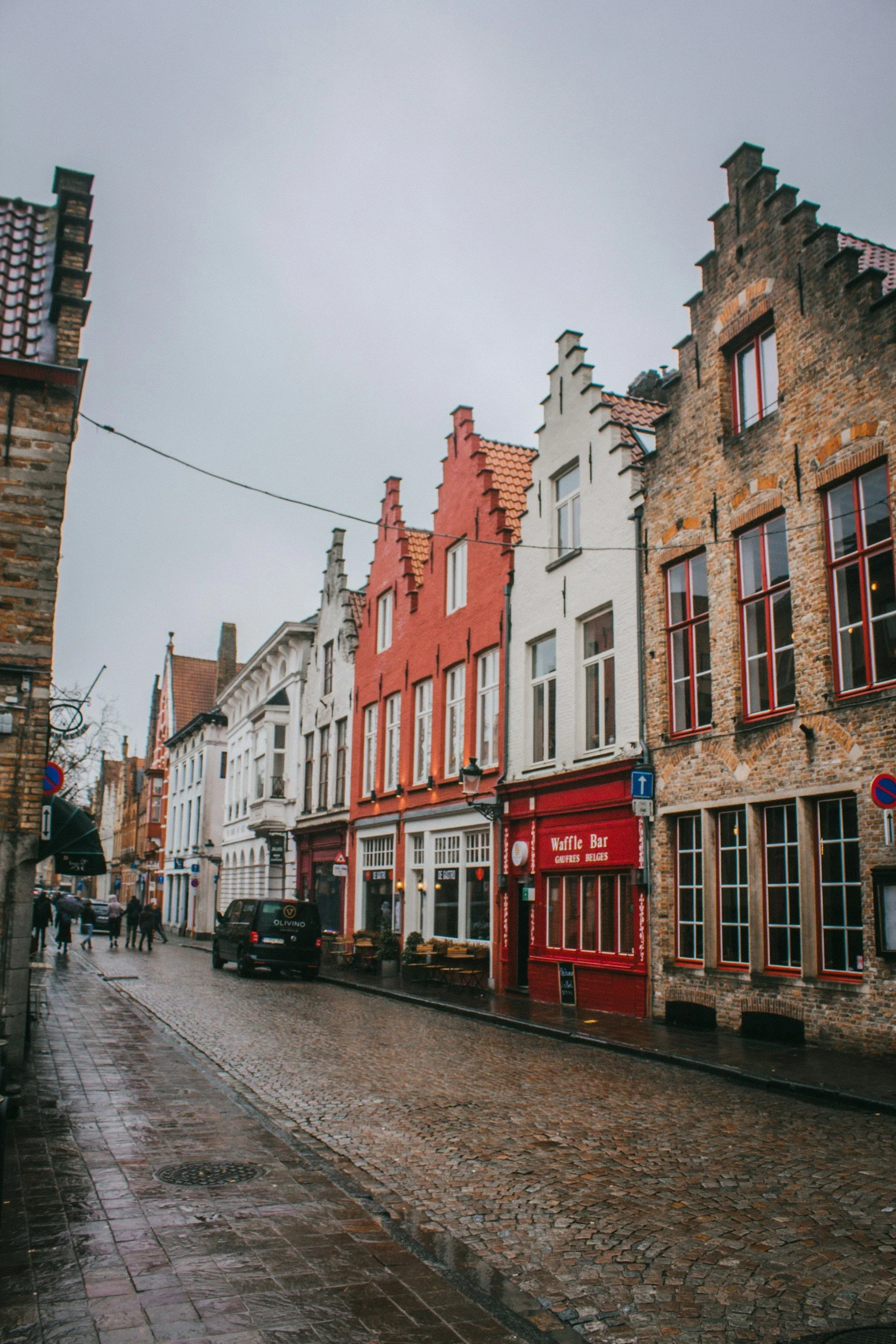
There was no formal national apology or compensation program for European indentured servitude. The primary form of “repair” was release at the end of a contract and, over time, access to legal citizenship, land ownership, and protections that were increasingly reserved for “White” Europeans. This legal and social incorporation into Whiteness functioned as a powerful form of restitution, shaping long-term access to opportunity and security in a nation whose wealth had been built through racial chattel slavery.
Asian and South Asian migrant laborers
Asian and South Asian migrant workers in the United States were subjected to dangerous and exploitative labor, wage theft, segregated housing, and repeated waves of racial violence, and were often treated socially as permanent outsiders regardless of how long they lived or worked in the country. U.S. immigration and citizenship laws were used to restrict who could enter, who could remain, who could become a citizen, and whether families could stay together, shaping belonging through law as well as public hostility. This exploitation and exclusion caused deep harm to individuals and communities.

In a small number of specific cases, the federal government has acknowledged particular harms, most clearly through the Civil Liberties Act of 1988, which formally apologized to and compensated surviving Japanese Americans who were incarcerated during World War II. More recently, laws such as the COVID-19 Hate Crimes Act of 2021 were created to improve reporting and response to anti-Asian violence.
Mexican and Mexican American communities
Mexican and Mexican American workers have long been pushed into low-wage and tightly controlled jobs, especially in agriculture, railroads, and industrial labor, where exploitation, unsafe conditions, and wage theft were common. Many families also lived through state-driven raids, removals, and mass deportation campaigns that separated parents from children and created lasting fear and instability in entire communities. Socially, Mexican people were often treated as temporary and disposable workers rather than as neighbors who belonged, while legally their lives were shaped by shifting immigration policies and selective enforcement that made safety and security feel uncertain even for long-time residents.
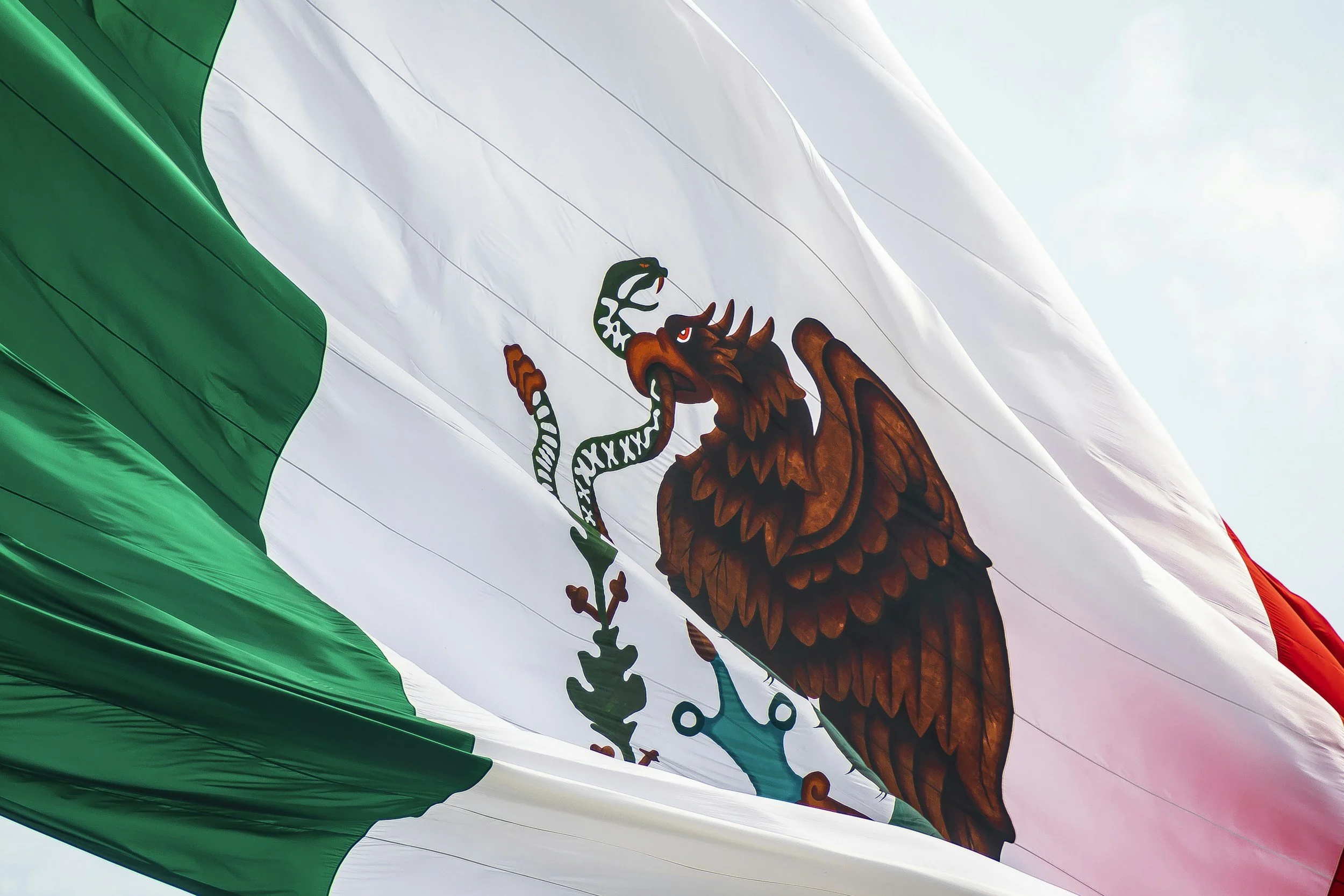
There has never been a comprehensive national program to repair the labor exploitation, land loss, and forced removals that Mexican and Mexican American communities experienced and continue to experience. While civil rights and labor protections exist today, those laws have not been paired with broad restitution or a formal national apology for the historical harm that still shapes many families’ lives.
Black Americans under racial chattel slavery
African racial chattel slavery in the United States was a system of permanent, inheritable human ownership in which Blackness itself became a legal status that justified lifelong bondage. Black people were bought, sold, mortgaged, insured, inherited, and traded as financial property, while family separation, restricted literacy, sexual violence, and reproductive control were legally protected and built into the system. The law regulated nearly every part of Black life including movement, education, testimony, marriage, family formation, and bodily autonomy, while society normalized the ownership of Black bodies as legitimate and necessary.
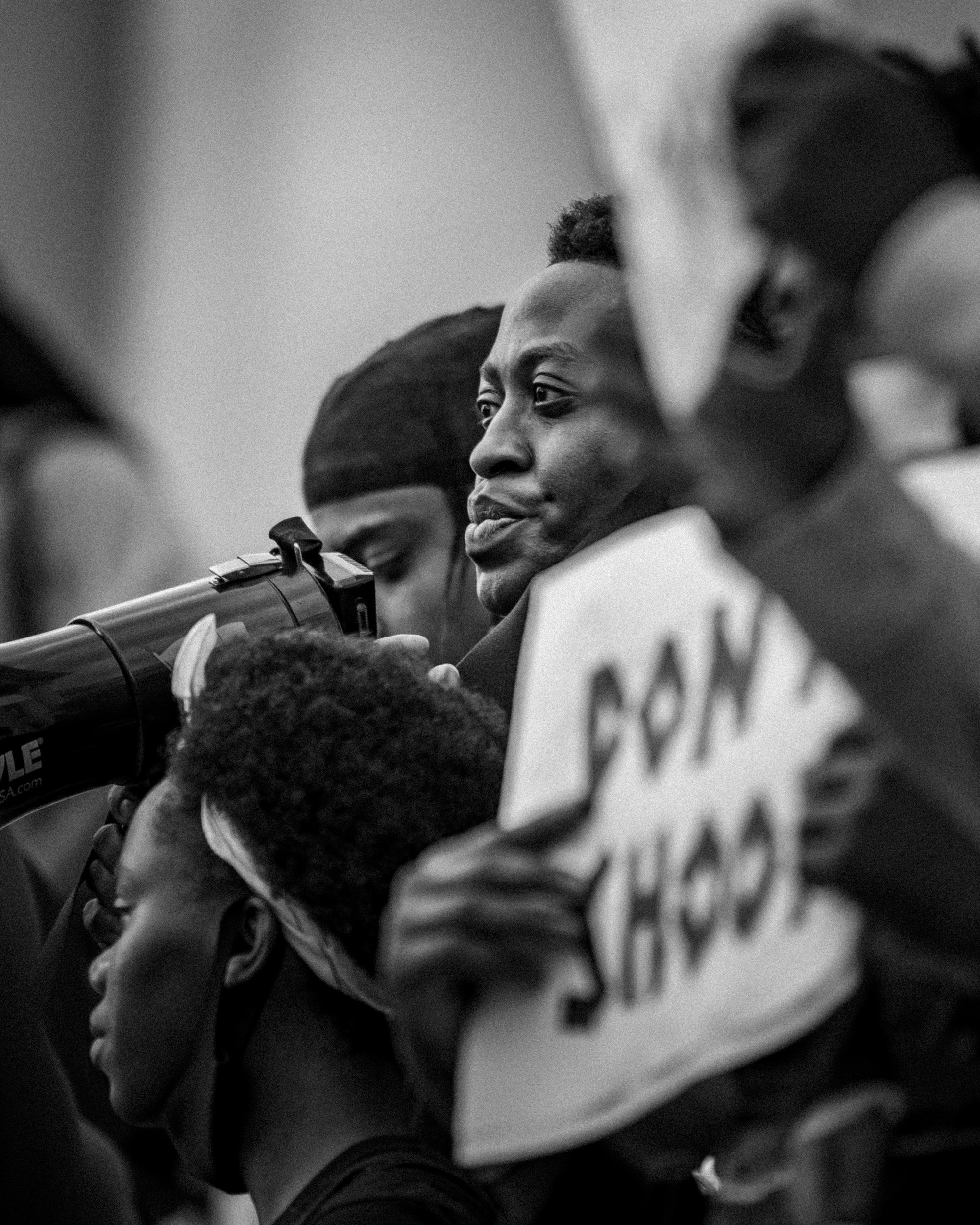
There has never been a national, federally led program to repair the harms of slavery and the systems that followed it. After the Civil War, the Reconstruction period briefly expanded political, legal, and civil rights for formerly enslaved Black Americans, including voting rights, access to public office, and legal protection. However, many of these gains were later reversed through new state laws, court decisions, and organized racial violence that undermined Black political participation, safety, and access to equal protection under the law..Today, a person’s zip code can still shape whether a Black family lives under conditions created by segregation and deliberate underfunding, including underfunded schools, limited healthcare, environmental harm, employment discrimination, and restricted access to housing, credit, and business opportunity. The racial wealth gap remains severe and is compounded by generations of exclusion from property ownership, banking, investment systems, and the informal networks where wealth knowledge is passed down.
How Black enslavement in the United States was different
Many communities in the United States experienced severe violence, displacement, and forced labor, including Indigenous peoples, poor Europeans, and Asian and South Asian migrants, and all of these histories deserve recognition. The difference is not whose suffering was greater, but that the United States created a system in which Blackness itself became a legal status that defined a person as permanent and inheritable property. This racial chattel system was not temporary and did not end at the workday, but structured nearly every part of life, including family, faith, education, law, and access to wealth. Black History Month exists to correct the long exclusion of this foundational system from public memory and to acknowledge how deeply it shaped the nation.
What was created around Black people was not only a labor system, but a complete social order designed to control bodies, relationships, belief systems, and economic possibility across generations. Even after legal abolition, the same logic of racial control continued through new laws and institutions, which will be explored in Part Three. Understanding this distinction is necessary because without it, the ongoing realities facing Black Americans are misread as individual failure instead of the lasting impact of a deliberately constructed system, and ignorance of this history often leads to deeply harmful rhetoric that could have been better left unsaid.
What made racial chattel slavery distinct was that it was designed to operate on every level of human life at the same time.
Mental and psychological control
At the mental level, racial chattel slavery stripped people of identity, history, and autonomy. Enslaved Africans were deliberately prevented from learning to read and write, restricted from education, and denied access to intellectual growth. Over generations, people were reconditioned to understand themselves through the categories imposed on them by law and violence. This was not accidental. It was legally enforced through policy, punishment, and social practice over time.
At the same time, a shared public belief system developed that framed Black inferiority and ownership of Black bodies as normal, reasonable, and even morally acceptable. This created a collective social reality that justified domination and made cruelty feel like “just what happens around here,” and injustice became the standard where no one batted an eye.
Physical and bodily control
At the physical level, Black people were treated as legally owned property. Forced labor was constant and inescapable. Children, women, and men were bought and sold as property. Sexual violence against women, men, and children was routine, encouraged, and legally unpunished. Reproductive control and forced childbearing were used to increase the enslaved population.
Beatings, branding, mutilation, public punishment, and constant surveillance enforced obedience. A person’s body did not belong to them. It belonged to the slaveholder, and the law, society, and surrounding communities recognized that ownership.
Spiritual and moral control
At the spiritual level, slavery did not only control bodies. It attempted to reshape how enslaved Africans understood God, authority, suffering, and even their own worth. When enslavers realized that literacy and access to the full Bible could strengthen identity, resistance, and hope, the religious narrative itself was deliberately distorted and misrepresented.
In 1807, a special Bible was produced for enslaved people titled Select Parts of the Holy Bible, for the Use of the Negro Slaves in the British West-India Islands, now commonly referred to as the Slave Bible. Large portions of Scripture were removed, especially passages that spoke about liberation, justice, God’s deliverance of the oppressed, and the dignity of human life. Stories such as the Exodus, God freeing His people from bondage, and prophetic warnings against injustice were stripped away. What remained were carefully selected verses that emphasized obedience, submission, and silence.
Enslaved people were taught that even God understood their position and approved of it. They were taught that their suffering was part of God’s plan. They were led to believe that they were exactly where God wanted them to be and that their highest moral calling was to please their enslavers by any means necessary. To be a good Christian, they were told, was to be a good slave.
This level of spiritual manipulation was oppressive and distorted an enslaved person’s identity before God. Humanity was minimized. The idea of deliverance or freedom was reframed as dangerous or sinful because how could one go against God’s plan.
What did it mean to be told that God was loving and just while also being told that the same God blessed your captivity? What did it mean to be taught that you were created by God, but also that your body could be owned, beaten, violated, and sold? What did it mean if the God of the universe was said to bless the routine sexual assault of you, your spouse, or your child? What did it mean when your family was sold away and you were taught to accept it as divine order?
It trained people to associate God with control rather than with freedom, and to understand their suffering as something God required of them. It reshaped moral understanding around who they were allowed to be and what they were allowed to hope for. It distorted the most intimate parts of faith, identity, and trust.
This is one of the ugliest parts of this history, and it still needs to be told.
Relational and family destruction
At the relational level, slavery intentionally disrupted every major human relationship.
A person’s relationship to themselves was violated from the very beginning. From the moment someone was captured, sold, renamed, inspected, and priced, their body and identity were no longer treated as belonging to them. Enslaved people were stripped of their names, kinship ties, language, and personal history. They were reduced to labor value and physical utility. Their appearance, movement, posture, speech, and even emotional expression were constantly monitored and corrected. Over time, this produced a deep internal conflict between who a person knew themselves to be and how the world defined them. Survival often required emotional suppression, hyper-vigilance, and the constant management of fear.
For the many children who were born into slavery, their identity was not shaped by family lineage or cultural inheritance, but by the expectations and control of those who claimed them. For generations, Black children in America learned themselves first as property, long before they were ever allowed to imagine themselves as fully human.
Dating and marriage were not respected as sacred or legally protected relationships. Throughout slavery, enslaved people were generally not permitted to marry because the law defined them as property rather than persons. Any romantic relationship existed only with an enslaver’s permission and could be ended at any time. Some relationships were encouraged only when they served economic purposes, such as increasing the enslaved population.
Husbands and wives did not build lives together in their own homes, nor did they control their time or schedules. They did not get to dream about what life would be like for their families, weddings, honeymoons, or ordinary shared life. They were assigned to different work sites, different fields, different quarters, and sometimes different plantations altogether. Time together, when it existed, was brief, supervised, and left little space for romance or joy.
Families could be separated at any moment through sale. Enslaved people were bought and sold at auctions, through private traders, and through large domestic slave markets that trafficked people across state lines. Children were sold away from parents. Husbands were sold away from wives. Parents were sold away from their infants. Entire families could be dismantled in a single transaction.
Separation also occurred through death caused by overwork, disease, violence, and punishment, and through forced relocation as people were moved to new plantations or sent south through the domestic slave trade. Even when families were not sold apart, daily life itself functioned as separation. Husbands and wives worked long hours in different locations. Children were assigned labor early. There was no shared household life in the modern sense, no private space to nurture relationships, and no ordinary rhythms of family life.
Fathers were also exploited and separated in distinct ways. Black men were routinely sold based on perceived strength and labor value and were often moved farther from family because they were considered especially valuable for heavy labor. Fathers could be sold to settle debts, divide estates, or meet labor demands. Over time, this created repeated ruptures of fatherhood itself.
If a woman was sexually assaulted by an enslaver or overseer, her partner had no legal standing to challenge it. If a child was beaten, sold, or abused, a father could not intervene without risking severe punishment or death. Attempting to defend one’s family could be interpreted as damage to property or insubordination. Protection, a core function of parenthood and partnership, was stripped away by law. The role of protector and provider was structurally denied.
Mothers were often forced to return to work in the house or the field almost immediately after childbirth. Pregnancy did not shield women from labor demands. Many were required to continue working late into pregnancy. Their fertility was treated as an economic resource, and pregnancy was not viewed primarily as family creation, but as labor reproduction. A woman’s ability to bear children increased her monetary value.
After birth, recovery time was minimal. Infants were commonly left in the care of elderly women or older children while mothers returned to work. In many settings, enslaved women were required to serve as domestic workers and wet nurses, meaning they were expected to feed, hold, and care for the enslaver’s children while being unable to nurse or freely care for their own. The natural bond of motherhood was distorted and repeatedly interrupted. A woman’s body was demanded for labor, reproduction, and caregiving at the same time. Motherhood existed under constant grief, exhaustion, and fear.
Children learned very early that their bodies were not their own. They were assigned labor at young ages. They were subject to punishment. They were vulnerable to physical and sexual abuse. They learned quickly that survival depended on obedience, silence, and emotional restraint.
These conditions shattered the development of safety, attachment, and family continuity across generations. Chronic fear, grief, separation, and powerlessness shaped how people learned to bond, trust, and express love. Yet even within this violence, Black families found ways to survive. Enslaved people formed kin networks beyond blood, shared caregiving, preserved memory through oral history and song, protected one another when possible, and created spiritual and communal bonds that sustained identity when legal family structures were denied.
Family separation was a central tool of profit and control.
Wealth exclusion and economic extraction
At the economic level, racial chattel slavery turned people into a financial market that helped build the foundation of the American economy. Enslaved people were bought, sold, mortgaged, insured, inherited, and used as collateral to finance land purchases, businesses, banks, railroads, universities, and national growth, while being legally blocked from owning property, earning wages, signing contracts, or participating in the very systems their labor made possible. That history created a starting line in which many White families were positioned to build and pass down stability, while Black families were systematically denied the chance to build and protect assets for generations. Many inventions, skills, and forms of intellectual and creative labor produced by enslaved people were legally claimed by the people who owned them, not by the individuals who created the work. Because enslaved people were treated as property, their ideas, designs, craftsmanship, and innovations were credited to slaveholders, employers, or institutions, stripping Black families of recognition, ownership, and the ability to pass down wealth connected to those creations. As a result, generations were permanently excluded from the financial and social benefits their own innovation would have earned.
You can still feel that foundation, which was reinforced and consolidated even after the formal end of slavery, in how zip codes shape daily life today, from the quality of schools and housing to access to safe neighborhoods, healthy food, and reliable healthcare.
This paper set out to answer a common question: why Black Americans are recognized through Black History Month when other communities also experienced forced labor and violence in this country.
The answer is not that Black suffering was the only suffering. The answer is that the United States built a permanent racial caste system around Blackness, and that system shaped law, family, faith, and wealth in ways that continue to structure life today.
Part Three will explore how this system reorganized itself after slavery through Jim Crow and its lasting consequences.
A couple of questions to ponder or answer in the comments below :
If the United States legally built a racial caste system around Blackness that shaped families, faith, education, and wealth across generations, what responsibility does that create for how we remember, teach, and respond to this history today?
What changes when we stop asking who suffered more and begin asking how this country deliberately designed its systems, laws, and institutions, and who those systems were built to serve?
Thank you for reading. This is part two.
Glossaryforced labor
Compelled to work under threat of violence, punishment, imprisonment, or removal of family and community, and without the ability to freely refuse.elimination
Refers to efforts to remove Indigenous peoples as distinct communities from desired land and territory, including forced removals, military violence, destruction of food systems and villages, and confinement to reservations.assimilation
Refers to policies designed to erase Indigenous identity and absorb Indigenous people into dominant society, including removing children into boarding schools, banning language and spiritual practices, and dismantling Indigenous governance and cultural systems.indenture contracts
Legal agreements that bound a person to work for an employer for a fixed number of years in exchange for passage to the colonies, food, housing, or repayment of debt. During the contract period, the worker had limited freedom, could be punished by law for leaving or resisting, and could have their term extended for disobedience, pregnancy, or alleged misconduct. Although indenture was technically temporary, it often functioned as a coercive labor system backed by courts and employers.convict laborers
People who were forced to work as part of criminal punishment under court authority. In the United States, especially after the Civil War, people who were convicted, often for minor or selectively enforced offenses, could be leased or assigned to private companies, farms, railroads, and mines to perform dangerous and exhausting labor. Their work was compulsory, controlled by the state and employers, and refusal or resistance could result in violence, extended sentences, or further punishment.racial chattel slavery
A system of permanent, hereditary human ownership in which people of African descent were legally defined as property and could be bought, sold, inherited, mortgaged, insured, and used as financial assets.hereditary slavery
A form of slavery in which a person’s legal status is passed from parent to child, guaranteeing that bondage continues across generations.domestic slave trade
The internal buying, selling, and trafficking of enslaved people within the United States after the end of the international slave trade, especially from the Upper South to the Deep South.legal Whiteness
The historical process through which certain European groups were gradually recognized as fully protected citizens under law and socially classified as White, granting them legal rights and protections denied to Black Americans.racial caste system
A social and legal hierarchy in which race determines a person’s status, rights, access to opportunity, and vulnerability to harm.per-capita settlement payments
Individual payments made to enrolled members of a tribe or nation from specific legal settlements or trust distributions, often connected to treaty violations or land claims.reparations
Material repair, compensation, or restitution provided by a government or institution for past harm, including slavery and state-sanctioned discrimination.freedom dues
Goods, supplies, or small payments sometimes given to formerly indentured servants at the end of their contracts.Jim Crow
A system of laws and practices after the Civil War that enforced racial segregation, voter suppression, economic exclusion, and racial terror against Black Americans.structural advantage
Benefits that are built into laws, institutions, and social systems that favor one group over others, even without individual intent.slavery as collateral and financial property
The practice of treating enslaved people as financial assets that could be insured, mortgaged, borrowed against, and used to secure credit and investment.
